

The island of Curaçao has an impressive list of about 200 species of birds that are not breeding birds but incidental visitors or migratory bird species. Incidental visitors are of course very exciting to spot and record in the bird record platform of eBird that we are using very extensively on the island. But it is the monitoring of migratory birds that gives some very interesting insights in the migratory patterns of many species that migrate from North America to the south during the fall migration and back home during the spring migration as well as a small number of species that consider the Southern hemisphere as home and migrate north in spring, and south in autumn.
Ongoing knowledge
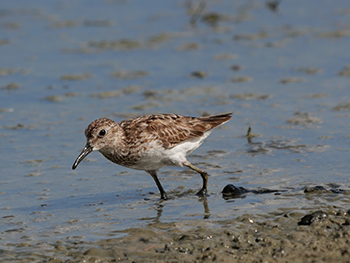
Every year birders on the island spend countless hours in the field monitoring known hotspots as well as areas that have developed into interesting birding sites due to changes in the landscape and necessary features for these areas to be considered by the birds. Traditionally we were always taught that migratory birds usually arrive on the island for a short period of time, only to rest and replenish the fat reserves before continuing the journey to the ultimate overwintering ground somewhere in South America. However the enormous amount of field work done by volunteers on the island, together with the meticulous monitoring of several unknown but very fruitful birding locations and recording of the countless birds observed an photographed is changing the teachings and showing that the island is much more often used as a overwintering ground by a variety of bird species than we first believed. We now know that waterbirds such as the Lesser yellowlegs, Greater yellowlegs, Least sandpiper, Semi-palmated sandpiper, Short-billed dowitcher and Willet, amongst others, spend the entire winter season on the island. Some species in small numbers (e.g. the Willet), and others in higher densities (e.g. de Short-billed dowitcher).
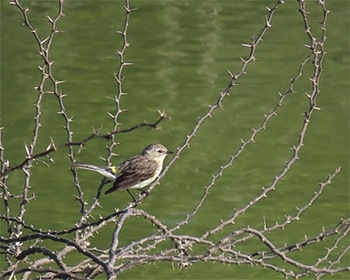
However it is becoming very clear that the tendency to stay over the entire winter period is not only reserved to waterbirds, but also applies to smaller migratory birds such as the warblers. And that is new information that continues to extend with every winter that passes, and every new validated list of monitoring included in the ever growing ebird database for the island of Curaçao. The latest revelation is all about a small warbler called the Yellow-rumped warbler (Setophaga coronata). A specific name for a bird that only measures about 12-14 centimetres in length and breeds in the Northern part of the North American such as the pine forests in the USA and Canada. It’s diet consists predominantly of insects and spiders during the breeding months and of berries and other fruits during migration and winter.
Spending all of the boreal winter on Curaçao
Yellow-rumped warblers can fly great distances to overwinter in Central America and the larger island of the Caribbean. Curaçao has had its share of visitors of this species during the years but never in large numbers, not every year and never for long. As far as we know.
However this winter we have had a beautiful individual not only visiting one of the many wetlands on the island, but staying put up till now. Recorded week by week by local birder Rob Wellens, with many photos to validate the record, in the same location, most probably surviving on a diet consisting of insects and spiders, which are amply available on this location. We will have to keep monitoring to see when the bird decided to leave, and of course if it will return for next winter. And also if we can find the species in other, similar, habitats on the island during the winter months. Of course it is difficult to extract conclusions on this particular species and its overwintering behaviour based on this bird alone. But put these records together with other information being collected in a similar way in the region and patterns will arise that can help extensively in the very near future to support the implementation of conservation measures to protect migratory birds, before, during and after migrating and overwintering. The massive information collected in ebird.org is already doing just that, support policy and regulatory measures in several countries to protect birds and their habitats. Curaçao is still in a pioneer position in this, and we need more data to help protect important bird areas on the island. So if you don’t have ebird yet consider installing the app on your phone or use it on your computer, go into the field and start recording what you see in the app. We will include some handy how to’s soon on this website.
Go to: www.ebird.org

 Bird Watching Curaçao - HOME