
Bird watching on Curaçao is a surprise throughout the year. The island may be small (444 square kilometers or +/- 171.4 square miles), but has many small habitats spread out from the east to the west. Even in the inner city of Unesco World Heritage Willemstad, there are many areas where a bird can hide, eat, nest or just rest. Which makes every corner of the island potentially interesting for birders.
Transformations

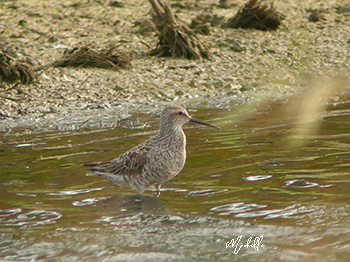
April marks the start of the spring migration in which migratory bird species that have overwintered on the island of Curaçao prepare to take off to their breeding grounds in North America. Before they go however, many of them have already transformed into their breeding plumage and chances are that you might be able to observe them in their full breeding plumage glory before they leave. Some great examples of this are the Spotted sandpipers, that have arrived early in the fall migration, sometimes as early as the end of July, and are now preparing to fly back to their breeding grounds. Their winter plumage, consisting of a unblemished greyish breast has transformed and the sports, for which they are named are now very visible.
Stilt sandpipers are another species of which small groups overwinter on the island and are now almost completely transformed into their breeding plumage with patches of reddish brown covering their feathers especially around the head, and a striking striped pattern on their breast. The one on the photo hasn’t fully transformed yet.
Many other species are going through these transformations at the moment or are fully done. Find these waterbirds in areas such as the salt pans of Jan Kok and/or the saliña of Sami Liber on the road to Bullenbaai.
Migratory surprises

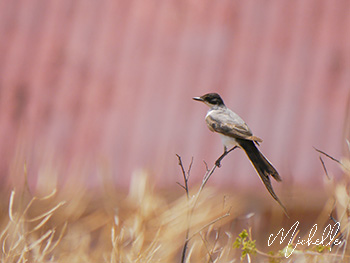
Besides the migratory birds overwintering on the island, April is the month to observe certain species of migratory birds that are passing through from the south on the way to the North. Fork-tailed flycatchers, now almost fully grown into their breeding plumage pass through in smaller quantities in which they arrive in autumn. Look for them in grassy open spaces with good lookout points and a variety of insects which they need to top up their fat reserves. And even though some American redstarts decide to overwinter on the island, many of the individuals that overwintered farther south will now use the island as a stop-over on the way north. Look for them in wooded areas with some foliage still attached, searching for insects in all layers of trees.
Youngsters can be found, even in the dry season
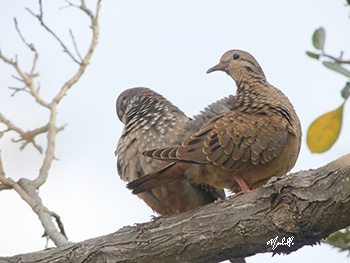

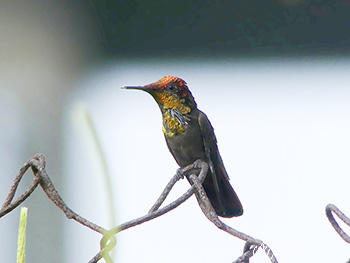
Despite the fact that the month of March is usually much drier and you hardly expect any breeding activity, you can still encounter young animals in nature in the month of April. The last urge of many plants to quickly produce flowers, fruits and seeds before they slip into the ‘dry season sleep’, is just enough to produce another generation of seed eaters and omnivores. The pigeons in the photo are young Buladeifi (Eared dove), visible from the pearly colour patterns on the feathers. These pigeons eat seeds and sometimes fruits. At the beginning of the dry season, these can still be found, enough in any case to successfully raise the last nest. This pigeon species also breeds in gardens, but much less often than the Ala blanka (Bare-eyed pigeon) or the Totolika (Common ground dove). They are more shy, and usually dislike places with a lot of disturbance from people, dogs or cats.
Fish eaters such as the Green heron can in principle breed year round. Fish, crabs and insects can be found all year round at Saliñas and inlets. However, they will move more towards the coast and will be less common at dams that are now dry or drying up. However, the month of April is a good month to encounter these youngsters in mangrove areas and other places along the water. Even in the city centre.
The Ruby-topaz hummingbird or Dòrnasol becomes a lot harder to find during the dry season and it is still not entirely clear whether some of these birds migrate away or whether they go deeper into the forest to places where trees such as the Watakeli or Wayaca are now in bloom. The offspring of the birds that breed in the vicinity of gardens can now be encountered in the open. The young hummingbirds can be recognised, in the case of the males, by the not yet fully developed ‘colours’ in the plumage and especially the large number of feathers that are still developing and can be recognised by the whitish tubes that grow out of the skin. The white protective layer around the new feathers maintains the cylindrical shape of the feathers and is produced by the papilla, an outgrowth of the skin where the material for the formation of the feather is produced. (The growth of feathers is for another story).
Enjoy your birding!

 Bird Watching Curaçao - HOME