
Bird watching on Curaçao is a surprise throughout the year. The island may be small (444 square kilometers or +/- 171.4 square miles), but has many small habitats spread out from the east to the west. Even in the inner city of Unesco World Heritage Willemstad, there are many areas where a bird can hide, eat, nest or just rest. Which makes every corner of the island potentially interesting for birders.
September is the hotspot month for bird migration in the fall. All kinds of warblers, swallows, waders, birds of prey and other waterfowl are on the move on their way south and many species will use the island as a place to rest and replenish their fat reserves after which they will continue their journey south or decide to stay longer and sometimes even overwinter. September is also one of the hottest months of the year temperature wise with less cooling winds than in other months. Take this into account when going out birding as you need sufficient water and stay out of the heat especially at midday.
The swallows have arrived
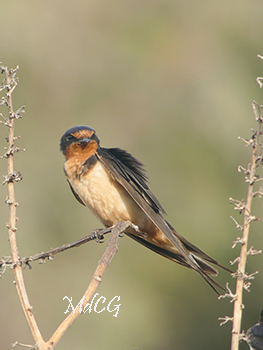
The observant observer probably already spotted them in August; the swallows were slowly but surely returning to the island. Souchi, as the birds are called in Papiamentu, come from North America and fly a considerable distance to finally arrive in Curaçao. The island is not their final destination, but a stopover, and as soon as they have their fat reserves replenished, they fly on to South America. But at the peak of their arrival on our island, tens of thousands of swallows can be found on the island, from westernmost point to easternmost point. They choose a quiet spot to spend the night, usually a tree or shrub near an insect source, where they can fill their bellies with flying insects before the night begins, and catch their breakfast straight from their tree in the morning. Often, however, the birds are so exhausted and weakened upon arrival that they easily become victims of traffic and sometimes even simply fall from the sky, exhausted. If you do find one, it’s best to let it recover in a safe place, perhaps with a shallow bowl of water.
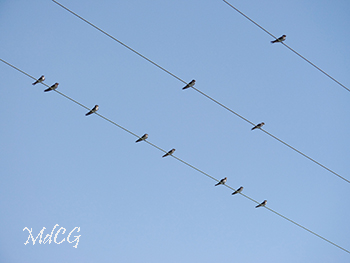
Unfortunately, the birds usually can’t be saved. Research has shown that insect populations in the places where the birds breed, and therefore originate, have declined alarmingly, causing the birds to begin their migration malnourished. As a result, hundreds, if not thousands, of them perish at sea, and even the birds that do reach our coast are often exhausted and so weakened that they can’t forage. The insect crash has several causes, including the use of pesticides that remain active in the environment for a long time.
Several swallow species occur on the island during the migration period, of which the Barn swallow is by far the most frequently seen. Recognizable by its long, v-shaped tail and black, white, and reddish-brown coloration.
Rice Eaters
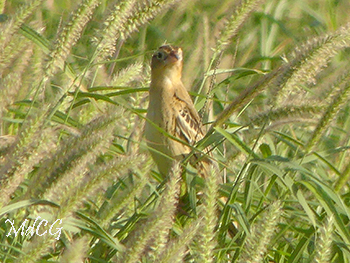
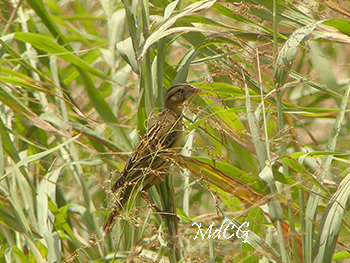
During the fall migration, rice farmers in the United States are terrified of this bird, also known as the rice bird. Bobolinks migrate south in large flocks and need food during their journey. They are seed eaters, so the rice fields in places like Louisiana are an attractive place for them to feed, resulting in crop damage. In Curaçao, they eat grass and reed seeds.
The Pectoral Sandpiper
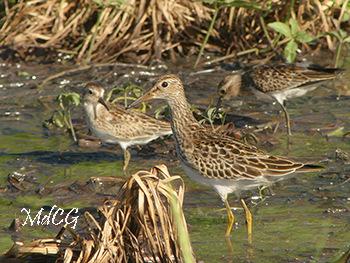
Along the water’s edge of inland waterways and saliñas, and along the edges of ponds in dams, or the reservoirs of golf courses and water treatment plants, migratory bird activity also begins to increase significantly in September. Any migratory bird that originates from watery and muddy environments, whether fresh, brackish, or saltwater, remains. Identifying species among all the wading and wandering birds is quite an art. The only tip is to grab binoculars and a bird book and keep practicing. It doesn’t get any easier, but you will learn to pay attention to certain details that will help you identify species somewhat more quickly. The Pectoral Sandpiper is a fairly large bird with few other distinguishing features. However, compared to other waterfowl, the bird stands relatively upright due to its long neck. It also has yellow legs and a yellow beak with a dark tip.
Fighting for a spot
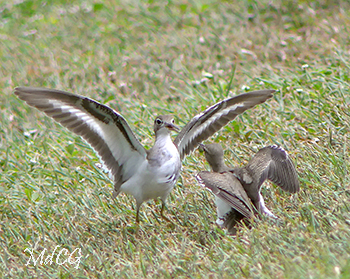
Because the waterfront is becoming increasingly crowded, conflicts are a recurring issue. This is especially true between members of the same species, but certainly also between individuals of different species; everyone wants a spot to find food. These fights are usually not fatal. The photo shows two Spotted Sandpipers in conflict.
Victims
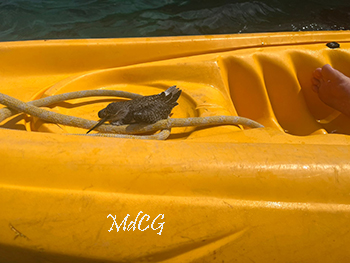
It’s quite common for migratory birds, exhausted during their journey, to seek shelter and rest aboard ships and yachts at sea. Many videos circulate online of people on cruise ships, yachts, and other boats suddenly discovering small songbirds, sandpipers, plovers, and sometimes even birds of prey on the boat. These tired birds are then fortunate enough to be able to rest in relatively safe places before continuing their journey. However, many individuals are not so lucky and end up in the sea. There, they cool down so quickly, if they can even swim, that they quickly die. Sadly, this is how thousands of birds meet their untimely end during migration. Occasionally, such a floating animal is found along the coast by smaller boats or, for example, by people kayaking. This recently happened to a couple of nature lovers who were kayaking along the island’s coast near Westpunt. They pulled the soaked bird from the water and let it recover quietly on the kayak, before setting it down in the shade along the shore. The animal, a Solitary sandpiper, most likely survived its adventure thanks to this action.

 Bird Watching Curaçao - HOME
One thought on “Bird watching on Curaçao in September”