Birdwatching on Curaçao in March
Birdwatching in Curaçao in the month of March can include viewings of overwintering migratory birds, occasional visitors and mating rituals of breeding birds. … More Birdwatching on Curaçao in March
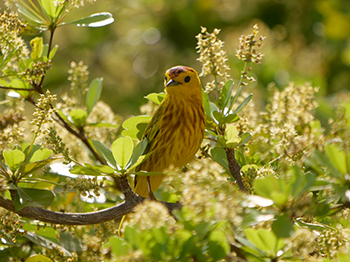
Yellow warblers are one of the smallest species of birds on the island of Curaçao besides the hummingbirds of course and only measure about 12 cm in length. Their warm yellow colouring is conspicuous combined with reddish brown stripes on the breast in both males and much lighter in females. … More Where to bird in Curaçao (10) – The Golden warbler
Despite the fact that Curaçao is a semi-arid island with a very limited amount of rainwater each year and hardly any natural fresh water ponds, there are several duck species which can be found on the island and even 2 duck species that actually breed here. … More Where to bird in Curaçao (9) – White-cheeked pintails
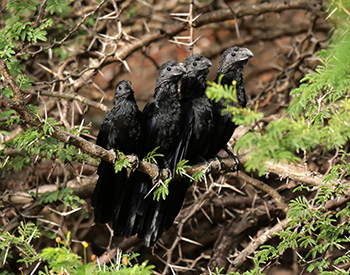
Ani’s love grassy open spaces aligned with thorny shrubs in which they can hide, oversee their hunting grounds and prepare for hunting their prey. … More Where to bird in Curaçao (8) – Groove-billed ani’s
Curaçao has many endemic subspecies of birds and the most visible is the charming Brown-throated parakeet called Prikichi in Papiamentu. … More Where to bird in Curaçao (7)- Brown-throated parakeets
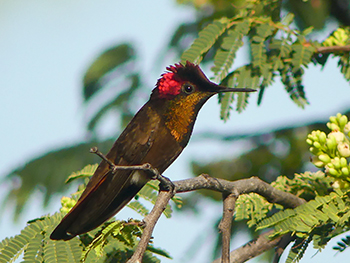
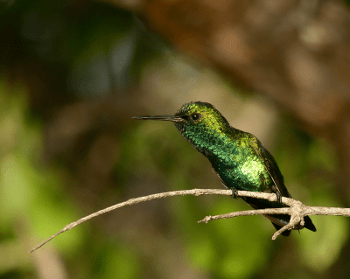
Curaçao has 2 species of native breeding hummingbirds; the Blue-tailed Emerald and the Ruby-topaz hummingbird. Many people, also locals, believe that there are 4 species as they often take males and females as separate species. … More Where to bird in Curaçao (6) – hummingbirds
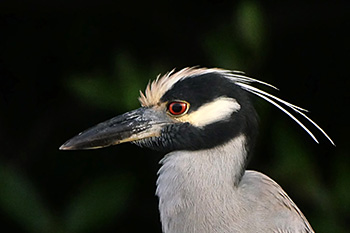
Night Herons are a special group of birds that can be found almost all over the world, but are small in species numbers. Only 7 species in total are recognized in the world today, with various other species extinct or only known from fossils. … More Where to bird in Curaçao (4) – Yellow-crowned night heron
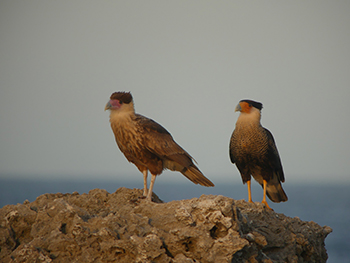
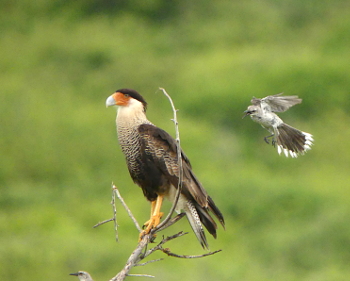
Curaçao has four (4) native resident species of birds of prey, the White-tailed hawk, the American kestrel, the Barn owl and the Crested Caracara, and one (1) relatively new natural introduction, the Black vulture. … More Where to bird in Curaçao (3) – Crested Caracara
Birding locations on Curaçao to find the orange Troupial. This is the second instalment of the series on where to find birds. … More Where to bird in Curaçao (2) – Troupials
One of the first questions visiting birders to the island of Curacao ask is about a birding checklist where they can find all the species spotted on the island. In our answers, we always direct everyone towards ebird.org to get the most updated list for the island. And we will keep doing that, as birders … More Updated Bird Checklist Curacao May 2022
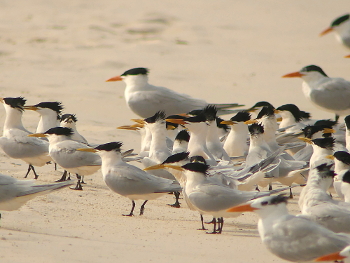
Download the article in Dutch here: Most bird species on Curaçao are very pragmatic with regard to their breeding period. If it rains and there is enough food, birds will breed. Or in some cases such as the Crested Caracara, when it gets drier and there is more bait and carrion they will breed. However, … More Warning: Breeding season for coastal and seabirds is upon us again
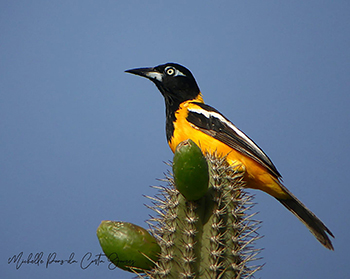
Yellow Orioles are native breeding birds for the island of Curaçao but are much rarer than the conspicuous orange-collared troupial. These bright yellow birds have a black bib and mask as well as black wings with white markings. In Papiamentu they are called Trupial kachó which translates to ‘barking troupial’, a name which points to … More AD article: Breeding behavior of Yellow orioles
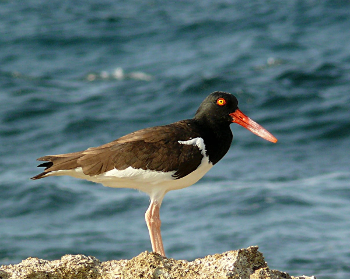
If you visit the coastline of the island regularly chances are great that you have encountered this bird along the rocky coast. And if not you might have encountered the effects of its strong bill on the surrounding snail shells. American oystercatchers can be found throughout the year and will also breed on the island. … More American oystercatcher
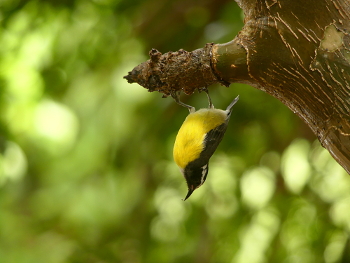
So agile and busy. Bananaquits have a natural diet that consists of more insects than nectar even though their name in Dutch suggests otherwise. They are called Suikerdiefje or Sugar thief in Dutch, aimed towards their taste for refined sugar when it is presented to them in feeding areas. Don’t get me wrong, in nature … More Upside down Banaquit – what to present on feeding tables
People tend to look at nature with very romantic glasses, and often push certain stereotypes onto certain species of animals. Think of the ‘ferocious King of the jungle Lion’ (where the females are often the ones hunting while the king is chilling somewhere around). It isn’t different with birds, and our name giving or the … More An amicable bonding of species or preparations for an attack….?